|
$$PLAIN_TEXT_PREVIEW$$
Happy wildflower season, Here in California, we work in 3 seasons: the dry season, the wet season, and wildflower season. We’re on the tail end of blooms this year, but it’s still gorgeous out there so we’re sending some beauty your way as well as a few project updates, Enjoy! —Jen Toy, Jenny Jones, Alex Robinson, Max Kanter / Test Plot Board of Directors
|
|
NEW PLOTS
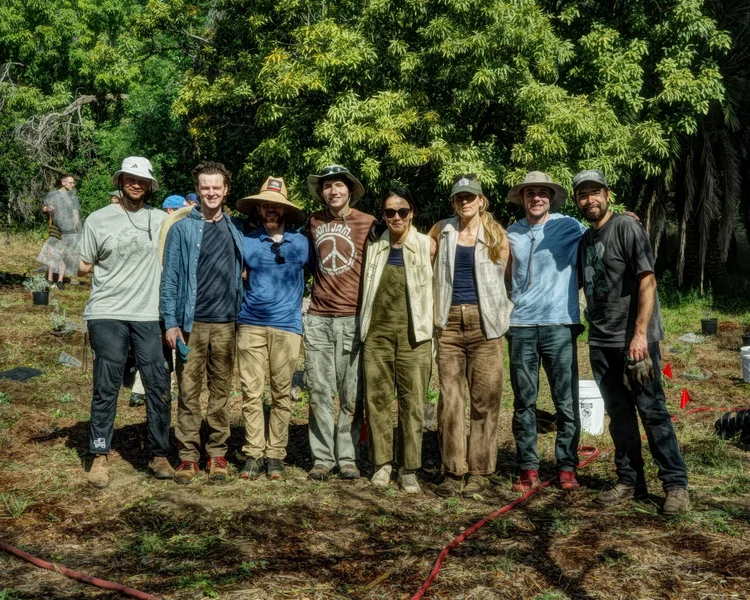
So far this year Test Plot hosted 55 events across 17 plots that included planting days, maintenance, youth training, hands-on soil testing, a film screening, and flower peeping. New plots to break ground this spring include Runyon Canyon (pictured here, LA’s most popular wilderness park), Jefferson (a former oil drilling site in South LA), and Simi Valley (wildland-urban interface). |
|
|

|
ELYSIAN MASTER PLAN
We’re thrilled to kickoff the Elysian Park Master Plan project as a consultant to landscape architects MVVA, in partnership with Terremoto. We’ll be infusing our design through maintenance experience and ethos into the project. |
|
|

|
OHLONE HILLSIDE
With support from the Green Initiative Fund, beginning in May, we’re collaborating with four University of California, Berkeley student fellows, Ohlone cultural leaders, and Terremoto on a hillside transformation at the Lawrence Hall of Science. Our approach integrates biodiversity goals with intentional human presence, reestablishing ecological and cultural relationships through the cultivation of traditional Ohlone foods and medicines. |
|
|

|
JEFFERSON TEST PLOT
Together with 10 Jefferson Youth Fellows and the Los Angeles Neighborhood Land Trust, we’ve been working since January to design, grow, and maintain this plot. The site, a large flower-shaped design with five petals, is testing hardy species in nutrient poor soils at a former oil drilling site in South Los Angeles. Read more here. RSVP to our spring workdays 5/17 and 6/14.
|
|
|

|
LA-32 GARDEN OF THE MONTH
The Elephant Hill Test Plot was selected as April Garden of the Month by the LA-32 Neighborhood Council, which highlights green spaces in El Sereno that are doing exciting, interesting, and dynamic work. Enjoy the early morning light, along with coyotes, banded garden spiders, cooper hawks, gopher snakes, birds, bumblebees and butterflies! |
|
|

|
RAINBOW CANYON WORKSHOPS
We’re hosting our 4th and final workshop supported by the Water Foundation and the Rose Foundation. Please join us May 16th for a Fire Conscious Landcare Workshop led with Community Nature Connection. After these workshops are complete, stay tuned for our Landscape Conceptual Plan for Rainbow Canyon where we will outline strategies to address flooding, fire resiliency, circulation, biodiveristy and community connection. |
|
|
|
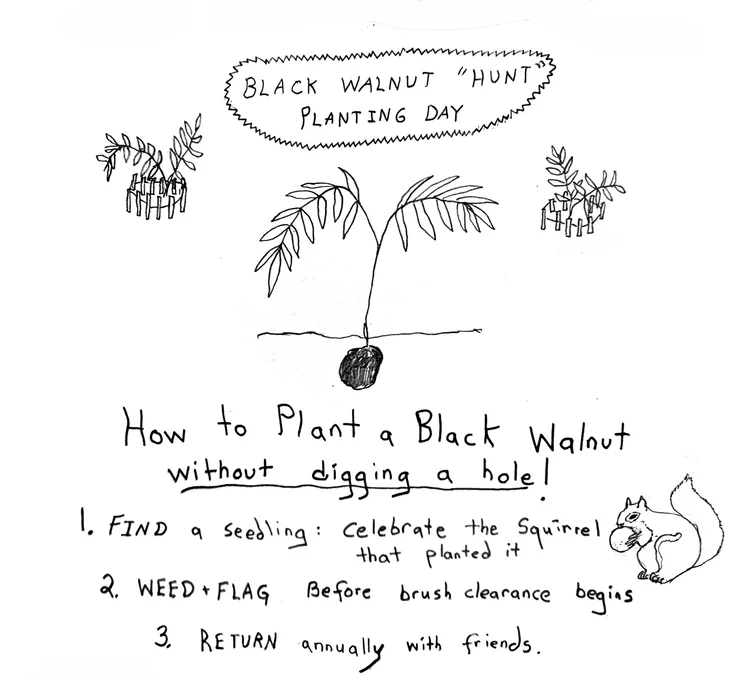
HOW TO PLANT A BLACK WALNUT WITHOUT DIGGING A HOLE 1.Learn what a black walnut tree looks like. They are all over NELA. Ask a friend or use an app. 2. Good luck finding a nursery that carries one, so search for a seedling planted by a squirrel.
3. Before brush clearance starts (usually in April) spend time weeding a perimeter around the seedling. Flag the tree. Build a visible ring. Soon the busy fire brush clearance crews will come and without your labor they would unknowingly weed whip it to death. |
|
|
|
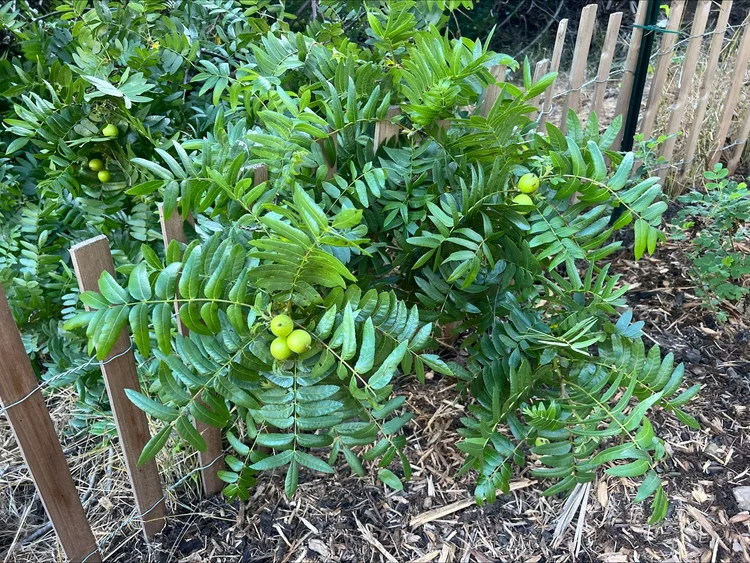
4. Come back each year and repeat this. Bring your friends and make new ones; show them the seedling and teach them how to “plant” a black walnut. They can take care of the seedlings when you are gone. 5. After a few years the tree is big enough to survive annual brush clearance unattended. Take a deep breath. Stare into its spiraling leaves. Collect one of its walnuts.. We “planted” almost 20 black walnut trees at Rainbow Canyon! |
|
|
|
WILDFLOWERS FROM THE BLOB at ELYSIAN TEST PLOT
|
|
|
Clarkia amoena, Farewell to Spring |
|
|
|
Penstemon spectabilis, Showy penstemon |
|
|
|
Wildflower meadow overlooking the LA river and Rio de Los Angeles State Park |
|
|
|
Amsinckia intermedia, Common fiddleneck spread from an existing nearby patch |
|
|
|
White lined sphinx moth caterpillar loving the Clarkia unguiculata. Sometimes known as a "hummingbird moth" because of their bird-like size (2–3 inch wingspan) and flight patterns. |
|
|
|
Slowly transforming an area covered in annual grasses and mustard |
|
|
|
Castilleja exserta, Owl’s clover with Gilia tricolor, Tricolor gilia in front. |
|
|
|
Bird’s eye blob. Take a walk through Elysian Park and come flower peep near the Marian Harlow Grove. |
|
|
Finally, we ask that when you give this year, consider adding TEST PLOT to the organizations that you support with a financial gift. As a young and growing non-profit, Test Plot relies on individual donations to: Stabilize finances beyond grant cycles. Allow rapid responses to stewardship needs. Build long-term community investment in Test Plot’s work. Expand our mission to include ecological monitoring, research, education, advocacy, documentation, and long-term plot care.
No gift too small and all gifts are tax deductible.
|
|
|
|


